
Your Path to Becoming a Qualified MOT Tester

Updated: Jan 15
MOT Training Overview: What You Need to Know
First things first, MOT training is designed to equip you with the skills and knowledge to carry out MOT tests properly. These tests ensure vehicles meet the minimum safety and environmental standards set by the government. Without MOT testers, vehicles on the road could be unsafe, which is why the training is thorough and regulated.
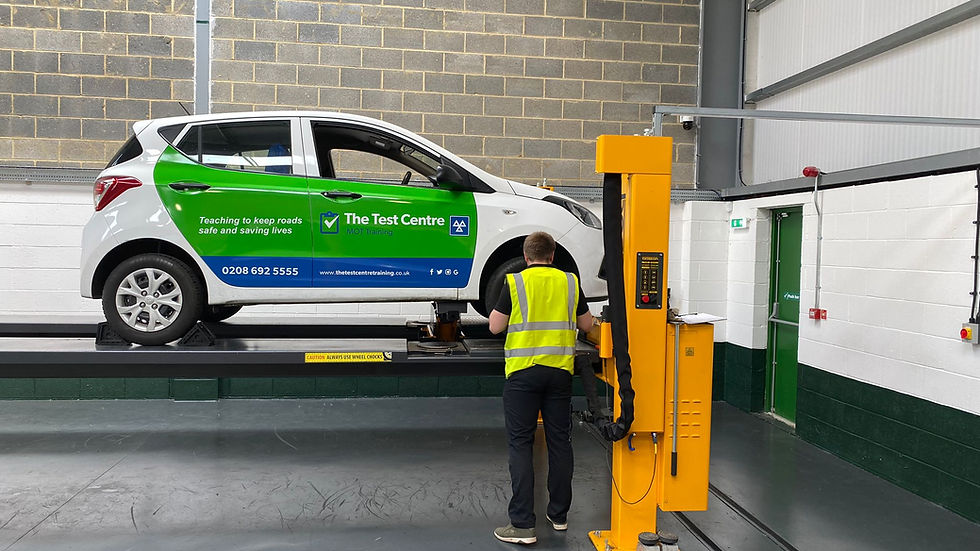
During your training, you’ll learn how to inspect various vehicle components such as brakes, lights, tyres, and emissions. You’ll also get familiar with the legal requirements and how to use the testing equipment correctly. The training is a mix of classroom learning and practical sessions, so you get hands-on experience. We have amazing facilities at our purpose-built centre.
One of the best things about MOT training is that it’s accessible to people with a range of backgrounds. Whether you’re new to the automotive industry or have some experience, the course will build your confidence and competence. Plus, it’s a stepping stone to a stable career with plenty of opportunities for growth.

Why MOT Tester Training Matters
You might wonder why MOT tester training is so important. Well, it’s not just about passing a test. It’s about ensuring every vehicle on the road is safe for drivers, passengers, and pedestrians. As an MOT tester, you’re the gatekeeper of road safety.
Proper training helps you spot faults that could lead to accidents or breakdowns. It also ensures you follow the correct procedures, so your assessments are fair and consistent. This protects both the vehicle owner and the reputation of the testing centre.
Moreover, MOT tester training keeps you up to date with the latest regulations and vehicle technologies. Cars are evolving fast, and staying informed means you can handle new challenges confidently. This ongoing learning is part of what makes the job interesting and rewarding.
If you’re running or working in an automotive business, investing in quality MOT training for your staff can boost your credibility. Customers trust centres where testers are well-trained and certified. It’s a win-win situation for everyone involved.
How Long Does It Take to Train as a MOT Tester?
You’re probably keen to know how long it takes to become a qualified MOT tester. The answer depends on the type of vehicle you want to test and your prior experience.
For cars and light vehicles, the training usually takes around 5 days. This includes both theory and practical sessions. If you want to test motorcycles or heavy goods vehicles, additional training is required, which can extend the course length.
After completing the training, you’ll need to pass a demonstration test with DVSA, all of which can be done at our centre. This demonstration test checks your knowledge and practical skills. Once you pass, you can start working as a fully qualified MOT tester.
What Does the MOT Tester Training Course Cover?
The course content is designed to cover everything you need to know to perform MOT tests confidently and correctly. Here’s a quick rundown of the key areas:
Vehicle safety checks: Brakes, steering, suspension, tyres, lights, and seat belts.
Emissions testing: Understanding pollution limits and how to measure exhaust emissions.
Legal requirements: Knowing the MOT regulations and how to apply them.
Use of testing equipment: Learning to operate tools like brake testers and headlamp aligners.
Record keeping and reporting: How to document test results accurately and issue certificates.
Customer service skills: Communicating findings clearly and professionally.
The training is interactive, with plenty of opportunities to ask questions and practice what you’ve learned. This hands-on approach helps you retain information and build confidence. Our team has over 150 years of combined experience, so we know the industry pretty well!
If you want to get the most out of your training, we recommend preparing by brushing up on basic vehicle mechanics. It’s not essential, but it can make the learning curve a bit easier.
How to Choose the Right MOT Training Provider
Choosing the right training provider is crucial. You want a course that’s recognised, thorough, and delivered by experienced instructors. Here are some tips to help you pick the best one:
Check accreditation: Make sure the provider is approved by the Driver and Vehicle Standards Agency (DVSA).
Look for good reviews: Feedback from past students can give you insight into the quality of the course.
Ask about support: Some providers offer ongoing support after the course, which can be very helpful.
Compare prices: While cost is important, don’t sacrifice quality for a cheaper option.
Here at The Test Centre Training, we aim to help individuals start a rewarding career within the automotive industry. We aim to help raise the overall standards of MOT testing throughout the industry.
If you want to learn more about the different pathways available, check out this mot tester training link for detailed information.
What Comes After MOT Training?
Once you’ve completed your training and passed the demonstration test, your journey is just beginning. Here’s what you can expect next:
Starting work: You can join a testing centre or automotive business as a qualified MOT tester.
Continuing professional development: The automotive world changes fast, so keep learning to stay sharp.
Specialising: You might choose to specialise in certain vehicle types or advanced diagnostics.
Advancing your career: With experience, you could move into management or training roles.
Remember, being an MOT tester is about more than just ticking boxes. It’s about making a real difference in road safety and vehicle standards. Your role is vital, and the skills you gain will serve you well throughout your career.
Conclusion: Your Future as an MOT Tester
We hope this overview has given you a clear picture of what MOT training involves and why it’s such a valuable step. If you’re ready to take the plunge, there’s no better time to start than now. Good luck on your journey to becoming a skilled MOT tester!


Comments